
How Do I Choose the Right Food-Grade Silicone Lubricant Solution for High-Temperature Food Processing?
In modern food and beverage manufacturing, choosing the right lubricant is a decision that directly affects efficiency, equipment longevity, and food safety. When high-heat machinery is involved, standard lubricants can break down quickly, risking contamination, costly downtime, or even equipment failure. Selecting the proper food-grade silicone lubricant ensures that every moving part operates smoothly under demanding conditions without compromising safety or compliance.
How Heat Affects Lubricant Performance
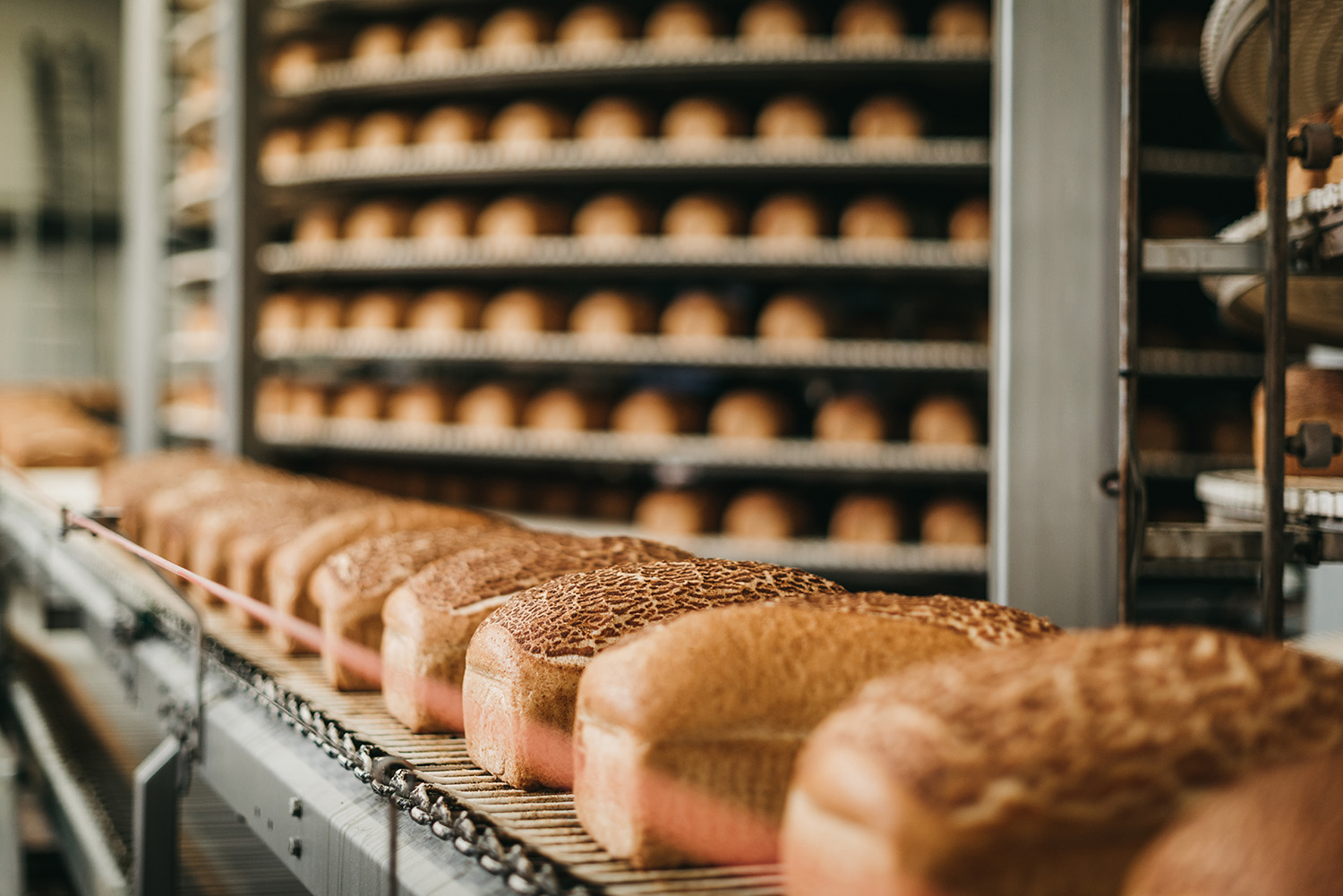
Temperature profoundly influences how lubricants behave. As machinery heats up, viscosity decreases, causing the lubricant to thin and potentially lose its protective film between components. At the same time, heat accelerates oxidation and chemical breakdown, diminishing a lubricant’s ability to prevent friction and wear.
In food-processing environments, heat cycles can be extreme. Ovens, conveyors, and packaging lines often operate at high, near-continuous temperatures. Only lubricants engineered for these conditions maintain film strength, resist evaporation, and stay chemically stable. A well-formulated food-grade silicone lubricant remains effective even at elevated temperatures, ensuring that equipment operates safely and efficiently through repeated thermal cycles.
Why Only Certain Silicone Lubricants Are Suitable for High-Heat Food-Grade Use
Not all lubricants are designed to withstand the intense heat and stringent safety requirements of food processing, which is why proper certification and formulation are crucial. When you need a food-grade silicone lubricant, there are some considerations you should keep in mind before selecting one.
Certification and Compliance
Any lubricant that could come into incidental contact with food must meet strict certification standards. The most important is NSF, which verifies that the product is approved for incidental food contact and formulated in accordance with FDA regulations, such as 21 CFR 175.300 and 178.3570. These standards confirm that the lubricant’s ingredients are food-safe and won’t compromise product integrity if there is minor contact during processing.
Silicone Lubricants and High Temperatures
Silicone-based lubricants, typically made with polydimethylsiloxane (PDMS), offer superior performance in high-heat environments compared to conventional mineral oils. They maintain viscosity stability, resist oxidation, and exhibit low volatility, enabling them to operate under both continuous and intermittent high-temperature conditions.
These characteristics make silicone lubricants ideal for machinery that experiences constant heat or thermal cycling. From conveyor bearings to oven chains, a high-quality silicone lubricant reduces friction, minimizes downtime, and ensures the entire system operates within safe thermal limits.
Key Selection Criteria for High-Temperature, Food-Grade Silicone Lubricants
When choosing a lubricant for high-heat applications, several critical factors determine how well it will protect equipment, ensure safety, and maintain compliance.
1. Temperature Thresholds
Identify both normal operating and peak temperatures. A lubricant should comfortably exceed these limits to ensure film stability and prevent evaporation or breakdown. Always verify the manufacturer’s continuous and intermittent temperature ratings.
2. Viscosity and Film Strength
At elevated temperatures, viscosity can change dramatically. Select a lubricant that maintains consistent film thickness and viscosity with minimal variation across a wide temperature range. This ensures reliable wear protection and extended lubrication intervals, even under heavy load or continuous operation.
3. Material Compatibility
Ensure the lubricant is compatible with all surfaces it contacts, such as metal, plastic, rubber, and other materials commonly found in processing equipment. Silicone lubricants are generally inert and non-reactive; however, compatibility testing remains essential to prevent swelling, softening, or degradation of seals and O-rings.
4. Application Method: Spray vs. Bulk
The right delivery format depends on the system. For light-duty surfaces and conveyors, aerosol sprays offer precision and ease of use. For bearings, chains, and heavy mechanical assemblies, bulk lubricants or greases provide longer-lasting protection and superior heat resistance. Always consider reapplication intervals and accessibility when choosing a format.
5. Environmental Factors
Food processing environments often involve high moisture levels, steam, and aggressive cleaning agents. Select a lubricant that resists wash-off, protects against corrosion, and remains stable under repeated sanitation cycles. A silicone lubricant’s chemical inertness helps ensure long-term reliability in these challenging conditions.
6. Regulatory Control and Maintenance Practices
Even the best lubricant fails to protect equipment if misused. Maintain clear labeling and storage procedures to prevent cross-contamination between food-grade and non-food-grade lubricants.
Performance Difference and Why All Food-Grade Lubricants Are Not Equal
Two lubricants may both claim “food-grade” status but still perform very differently in real-world applications. Base oil composition, additive technology, and temperature stability all influence performance.
Silicone-based fluids outperform mineral oils under sustained heat due to their higher oxidation resistance and lower volatility. Advanced additive packages further enhance wear protection and moisture resistance, reducing the frequency of reapplication and minimizing unplanned maintenance.
A truly effective high-temperature, food-grade silicone lubricant will resist “melt-out,” maintain film strength under pressure, and operate consistently in extreme thermal environments. Choosing a product engineered for these conditions ensures your equipment runs longer, safer, and with fewer interruptions.
Summary Checklist for Specifying a Food-Grade Silicone Lubricant
- Verify temperature ratings meet or exceed your operating range.
- Select silicone-based formulations for superior heat resistance.
- Check material compatibility with all components.
- Choose the proper application method based on load and accessibility.
- Consider moisture, chemical exposure, and wash-down frequency.
- Maintain labeling and training to avoid cross-contamination.
Following these steps ensures that your lubricant meets both performance and regulatory demands in high-heat food processing environments.
Why This Matters and Your Next Step
Selecting the right food-grade silicone lubricant for high-temperature applications affects more than machinery. It impacts safety, productivity, and compliance across your entire operation. The right choice keeps systems running smoothly, reduces downtime, and ensures every piece of equipment meets the industry’s most rigorous standards.
If you are evaluating lubrication options for high-heat food-processing equipment and want a solution backed by performance data, regulatory assurance, and industrial reliability, our team at Stoner Critical Cleaning can offer guidance and specification support. If you’re ready to shop for your food-grade silicone lubricant, you can browse our selection today.